How To Train A Dog Not To Be So Clingy
Jane Williams
DogsDog TrainingHow To Train A Dog Not To Be So ClingyBySusan ParettsUpdated Nov 2, 2021Nothing is better than snuggling with your dog on laid-back days, but if your pup constantly spends every minute of the day with you, that can lead to behavioral issues, like separation anxiety. To combat issues with separation anxiety and calm your clingy pup, you'll need to train him to tolerate being alone.Hill Street Studios/Blend Images/Getty ImagesWhile you love spending time with your dog, if he tends to destroy your home and vocalize nonstop when you're not around, that can be frustrating for you and your neighbors. Explore some ways to ensure that your pup is happy when he's by himself and that you are spending enough quality time together too so he's not starved for attention when you are around.Dealing with a clingy puppyDealing with a clingy puppyPuppies are learning the ways of the world, and when they're young, they think of you as their favorite person and leader. So, you may find yourself with a puppy who wants to spend all of her time by your side.Start countering clingy behavior by teaching your pup that she can spend time away from your side calmly. Provide your pup with a safe space, like a crate, comfortable mat, or dog bed. Give your dog a command, like "go to your spot." Then, lead the dog to the spot and treat her with something yummy. Say "stay" and wait a few seconds before treating your dog again. Continue training, extending the time between the command "stay" and the treat.Eventually, you'll want to see your pup spending time calmly in her designated spot without giving her the command. Provide your dog with a few toys in this spot to occupy her and always praise her for calm play.My dog is too clingyMy dog is too clingyWhen dealing with a clingy dog, you may notice that your dog becomes anxious when you're about to leave the home. To combat this, keep exits and returns to your home as calm as possible.You'll also want to occupy your dog just before you leave so he doesn't become upset at seeing you go. A good choice is to give your dog a puzzle toy in his safe spot, filled with his favorite food, like peanut butter, cream cheese, or kibble. To occupy his time while you're away, you can also hide some kibble or treats around your home to keep him hunting for foodWays to calm a clingy dogMaria Moroz/iStock/GettyImagesWays to calm a clingy dogClingy dogs who suffer from separation anxiety may benefit from veterinary treatment with medication. Other things, like compression shirts and synthetic dog pheromone sprays, collars, and diffusers can also have a calming effect on dogs who are anxious.Another option is to hire a dog walker to exercise your dog when you're at work, or you can drop off your pup at doggie day care so that she is not left alone in your home. Emotionally needy dog breeds, like Labrador retrievers, border collies, Jack Russell terriers, German shepherds, and toy poodles, may benefit from this kind of attention during the day.You'll also want to leave an item of your recently worn unwashed clothing in your dog's favorite spot or in her crate. This provides your scent, which can calm your dog while you're not there.Spend time with your dogSpend time with your dogWhile you don't want a pup who is unable to leave your side, you also need to understand that spending time with your dog is a necessary part of being a good owner. If you ignore your dog all the time, he may seem clingy because he is desperate for your attention.Spend time playing with your dog and provide him with at least 30 minutes of exercise each day. Not only is this a good way to bond with your dog but it helps to tire him out so he will be less likely to worry and become destructive when you're away.LuckyBusiness/iStock/GettyImagesMost importantly, keep all of your time with your dog positive. Never punish your dog for being clingy or destructive while you're away. This will only serve to make your dog fearful and more anxious than he already is.ReferencesAmerican Society for the Prevention of Cruelty to Animals: Separation AnxietyLake City Humane Society: How to Help Your Dog with Separation AnxietyAmerican Kennel Club: Dog Separation Anxiety: Causes, Prevention, and How to StopVCA Hospitals: Separation Anxiety in DogsCountry Living: 10 Dog Breeds Most Likely to Suffer from Separation Anxiety

Brown Shih Tzu 'Admiring' Flowers Looks Straight From A Fairy Tale
Emily Smith
DogsDog BehaviorBrown Shih Tzu 'Admiring' Flowers Looks Straight From A Fairy TaleByJaz JoynerJan. 7, 2026 9:25 am ESThersheytheshihtzuu / TikTokIt can be nice to stop and smell the roses every now and then, as the popular phrase goes — and your dog might just feel the same way, too. One special chocolate brown Shih Tzu named Hershey is taking the expression even further. In a viral TikTok video from September 2025 with over 12,000 views, Hershey admires a planter full of white flowers outside with his owner, and he's quite possibly having the time of his life.Hershey the Shih Tzu calmly sniffs white roses, in total floral bliss, and his owner seems to be in full support, petting him along the way. One viewer called Hershey a "little flower fairy boy," which is quite fitting! In addition, Hershey's mom picked the best song for the background of the video with the classic "(Dream) When You're Feeling Blue," because it really does feel like we're witnessing one of Hershey's dreams. It's very similar to how these happy dogs having a floral moment seem to feel, too.Are all flowers safe for dogs?Nautiluz56/Getty ImagesHershey's undoubtedly found his happy place with his owner's flowers. The question is, what sort of plant do dogs like Hershey usually love, and are they all safe? While some plants and flowers are pet-friendly, like spider plants and ponytail palms, there are actually a fair number that could be unsafe and even poisonous for your dog, such as daffodils or azaleas. More specifically, the American Society for the Prevention of Cruelty to Animals (ASPCA) notes that dogs and other pets ingesting any plant can lead to stomach issues, so make sure to keep an eye on your pup when it's around flora and fauna.It's also important to note that the level of toxicity to your pooch can range from mild diarrhea to severe symptoms like kidney or heart problems. So when in doubt, assume it's not the best idea for dogs to eat flowers, though many of them are fine to sniff! Luckily, the ASPCA site offers a list of the most commonly found plants toxic to dogs, along with how they can affect them, that you can explore. Now for the good news: flowers that won't harm your dog do exist. There are some great pet-friendly options for your garden lovers out there, like roses, calendulas, and sunflowers. So, we can definitely celebrate Hershey and other adorable dogs who remembered to stop and smell the flowers.If you believe your pet has consumed a toxic substance and you can't reach your veterinarian or an emergency clinic, please contact theASPCA 24/7 Poison Control Hotlineat 888-426-4435 or thePet Poison Helplineat 855-764-7661.

Dachshund's Adorable Post-Doggy-Daycare Routine Is Hilariously Relatable
Michael Miller
DogsDog BehaviorDachshund's Adorable Post-Doggy-Daycare Routine Is Hilariously RelatableByMorrison ChanteshaOct. 3, 2025 9:25 am ESTellyclairew / TikTokA dachshund's after-daycare ritual has become the latest viral favorite, racking up more than 245,000 views on TikTok. The video, posted by the pup's owner on September 6, 2025, shares a scene that many dog parents immediately recognize: the relaxation routine. This little dog bounds through the front door after doggie daycare, stops for a long drink of water, and then heads directly under a dresser to nap. It's the determined dash to bed that almost anyone can relate to, canine or human.The reaction was swift as comments poured in with amused recognition. "Why are all dachshunds the same?" one user joked. Another added that their pup also loved to crawl into tight spots. Several pointed out how the water bowl always comes first, since not every dog enjoys sharing at daycare. That ritual is part of winding down, and it often leads to long stretches of rest that leave owners wondering if a dog is happy sleeping all day. It's that connection between humor and familiarity that turned one short clip into a snapshot of daily life with pets.How doggie daycare, and rest afterward, can help your dogellyclairew / TikTokDoggie daycare is designed to help keep dogs active, and after several hours of chasing, wrestling, sniffing, and socializing, even the liveliest breeds need recovery time. Veterinarians often point out that dogs need both stimulation and rest in balance. A packed day of social play provides mental enrichment and helps prevent destructive behaviors at home, but the follow-up rest is just as critical for overall health. Like with humans, deep sleep after activity allows the body to repair muscle tissue and regulate stress hormones in our canine companions.DVM360 also shared that adequate rest improves learning, which means a dog who naps soundly after daycare is more likely to retain training cues practiced earlier. In this way, the downtime that looks like pure exhaustion actually supports better behavior and sharper responses over time. Dachshunds, bred for stamina in the field, are no exception. Once home, the urge to retreat into a small, quiet nook is completely natural. Enclosed spaces provide security, helping dogs shut out noise and recharge. If your dog sleeps in a strange spot, you may wonder why a dog picks one resting position over another, such as under the dresser, since sleep habits often reveal a lot about canine comfort. Regardless, this little dachshund certainly loves his routine.
A Dog Chasing Its Tail Might Be Dealing With Anxiety (Here's How To Know And Help)
Jennifer Smith
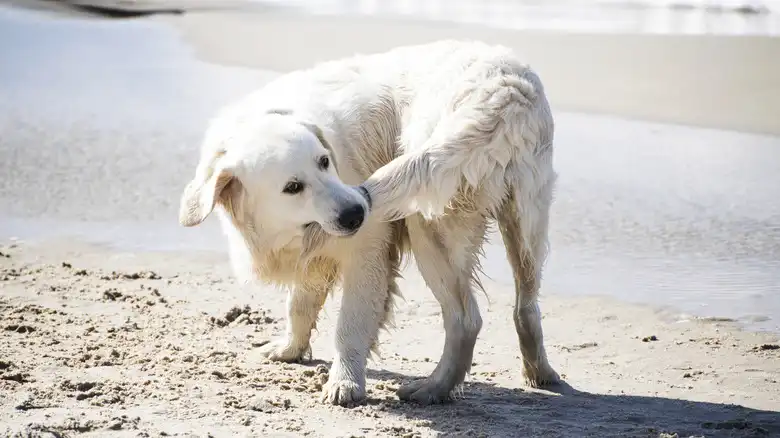
DogsDog BehaviorA Dog Chasing Its Tail Might Be Dealing With Anxiety (Here's How To Know And Help)ByCori ChapmanFeb. 26, 2025 9:25 am ESTZuberka/Getty ImagesWe may receive a commission on purchases made from links.When you see your hyper dog chase their tail, it's nothing short of adorable. However, this could also mean that your pup may be dealing with another issue — anxiety. When they start to quickly spin round and round with their tail just out of their reach, keep an eye on the frequency of the behavior along with other telltale signs that may clue you in to if this is just for fun, or something else. These may include panting, pacing, or whining in addition to the tail-chasing.Dogs can show many signs of mental illnesses, like obsessive-compulsive behaviors such as tail-chasing and tail-chewing. Outside of having fun, a dog scratching and chasing their tail may be injured or in pain. Additionally, boredom or anxiety from under-stimulation may trigger this behavior. This causes dogs to chase their tails as a form of self-soothing and coping with anxiety. As a result, the behavior can become an unhealthy compulsion. If you suspect your dog's tail-chasing may be more than just a fun pastime, it is imperative to track your dog's behavior and report it to a veterinarian. They can perform a physical exam as well to rule out other causes for the behavior. They can also refer you to a veterinary behaviorist as needed to treat any underlying behavioral issues.How to help manage anxiety in dogsGradyreese/Getty ImagesIf your pup is experiencing tail-chasing anxiety, talking to a veterinary behaviorist is a great option to provide you with the tools to utilize at home. They can help you with a variety of treatment options, including adding healthy distractions or replacing negative behaviors with positive ones. A game of fetch using some of the best fetch toys for dogs as a distraction can help get your pet excited enough to burn any anxious energy while keeping them focused on the toy. Other options, such as snuffle mats like Neecong's Pet Snuffle Mat, can keep your dog busy in a healthy way by foraging for their food and treats.Additionally, there are medications that help treat anxiety and may reduce the amount of tail-chasing. Medications can help because they alter serotonin levels to help relieve anxiety. Your veterinarian can determine if using a medication can help in addition to a training plan. With the right combination of medication and behavior training, your pup can be on the road to recovery to escape from that forever-loop of tail hunting.Always consult your veterinarian before making changes to your pet's diet, exercise, or care. To find an accredited veterinarian in your area, you can search theAmerican Animal Hospital Association's online database.
How To Train A Dog Not To Be So Clingy
Jane Williams
Brown Shih Tzu 'Admiring' Flowers Looks Straight From A Fairy Tale
Emily Smith
Dachshund's Adorable Post-Doggy-Daycare Routine Is Hilariously Relatable
Michael Miller
A Dog Chasing Its Tail Might Be Dealing With Anxiety (Here's How To Know And Help)
Jennifer Smith
Dog Diarrhea & Pumpkin: A Natural Remedy That Works
Jane Jones

Stop Your Dog From Going Potty On Furniture
John Brown
When To Start Feeding Puppies Solid Food?
Emily Brown
Great Horned Owl Hoots At Golden Retriever And What Happens Next Is Unexpected
John Miller
Chihuahua Puppy Hilariously Turns Robot Vacuum Into Her Own Personal Chauffeur
Jennifer Johnson

Rottweiler Turns Into 'An Office Manager' When Mom Doesn't Answer Her Work Phone
John Smith
The Reason Your Dog Spins In A Circle Before Lying Down
Michael Smith
DogsDog BehaviorThe Reason Your Dog Spins In A Circle Before Lying DownByAdam SymchukFeb. 9, 2025 9:25 am ESTElena Grigorovich/Getty ImagesWe may receive a commission on purchases made from links.Have you ever watched your dog spin once or twice before plopping down on their bed with a little sigh? The curious canine act may have concluded with the pup snoring away as if nothing odd had just transpired. While this performance likely left you shaking your head in bemusement, it's one of many dog behaviors that seem bizarre to humans but perfectly normal to your pet.Canines typically twirl before settling in for a snooze for two primary reasons: instinct and comfort. While health issues can also factor in and contribute to excess movement, a snug and content pup's reason for spinning often falls under the first two categories. The distant wolf ancestry of dogs and the bonds they forge with their favorite humans have come together to make this behavior one of the species' most endearing habits.Dogs spin before lying down to satisfy their inherited survival instinctsUrbazon/Getty ImagesWolves and dogs have many similarities, including sharing an instinctual need for safety. In the case of domesticated canines, this applies even when they are curled up in their favorite spot at home. Pack animals thrive within the greater protection that a group provides, and spinning before lying down allows them to check everyone's location, along with their proximity to others. Essentially, they can only unwind once they've ensured the well-being of themselves and their pack mates, which includes you. The spin also allows the dog to claim a space, as their scent imprints on the spot where they plan to relax.Additionally, the twirl enables a pup to follow their nose and point themself in the safest direction to address any threats. While a house dog doesn't typically need to worry about snakes or other predators, spinning still sets them up to react quickly to any situation that may arise. Canines have a whopping 300 million scent receptors (their owners only have 6 million). They process a lot of information through their noses as a result, so proper placement for maximum scent detection makes sense.When humans get ready for bed, they seldom just flop in one spot and fall asleep; everyone has their preference for pillows, blankets, and how they want to position themselves. Dogs also consider comfort essential; they want everything to be perfect before settling down. In nature, making a little nest can help control a canine's temperature by digging into a cold spot or deep soil to help keep them warm. Domesticated dogs mirror this act through digging and spinning in their beds, even though they are safely ensconced indoors.Signs that spinning may indicate a mental or physical issueTamonwan apaikawee/ShutterstockWhile dogs naturally spin before settling into their favorite spot, owners may have cause for concern if their pup does so more than usual or the act comes with other symptoms. Signs to look out for include persistent circling, not responding to stimuli, changes in sleeping and eating habits, or showing other compulsive behaviors, per Wag.Excessive spinning can signify anxiety stemming from a range of sources, such as fireworks and other loud noises or boredom. Stress manifests in canines in multiple ways. Giving them treats designed to help dogs relax, such as Greenies Supplements Calming Chews, may provide some relief. Redirecting their focus with positive activities could also prove useful. Additionally, a veterinarian may recommend one of several prescriptions to help deal with more chronic stress or anxiety.If your pup tilts their head in addition to circling excessively, they could have an ear infection. Conditions such as liver disease, tumors, or the onset of dementia can also cause a dog to pace and/or spin more than usual. Many pet parents will recognize excessive or unnatural behavior from their canine and should address any concerns they have with a veterinarian.
Why Dogs Lick Their Paws: What It Means And When To Worry
Robert Jones
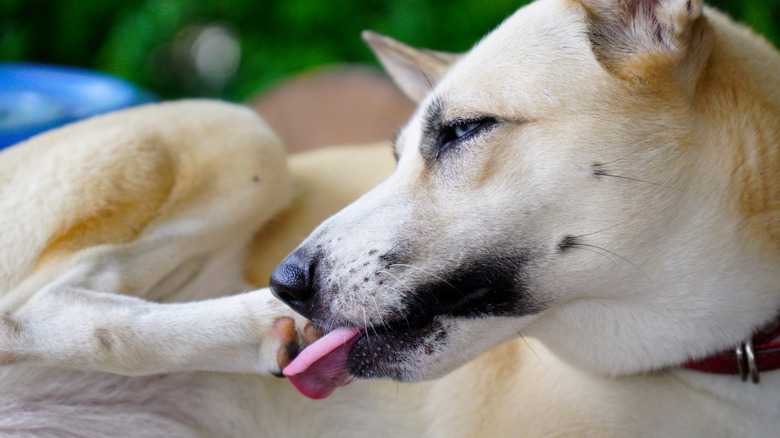
DogsDog HealthWhy Dogs Lick Their Paws: What It Means And When To WorryByAdam SymchukApril 15, 2025 9:25 am ESTKPhrom/ShutterstockWe may receive a commission on purchases made from links.Dog paws are remarkable, with significant variance between breeds. Webbed toes can indicate a good swimmer, and different breeds have different grips and paw prints. However, when a dog licks its paws excessively, it's a sign that something might be wrong.Speaking exclusively with Cuteness, Dr. Gary Richter, founder of Ultimate Pet Nutrition, highlighted several common causes behind a dog licking its paws, including allergies, injury, or foreign material. However, Dr. Richter advises that licking a paw is often a natural part of grooming. Since the causes vary, it is not always easy to know when to worry. Dr. Richter outlined when excessive licking should be a cause for concern, stating, "If it seems excessive to the owner... or if the foot/feet the dog is licking seem more sensitive than normal or if the skin looks irritated, that is an indication something may be wrong." For dogs with lighter-colored fur, there is another tell. Dr. Richter adds, "When a dog licks a lot, the fur can become stained by saliva. The staining is typically rust/reddish in color." Often, foreign objects or allergies are the reason behind a lick-obsessed pooch. However, pet parents should check their dog's paws for cuts, discoloration or swelling, missing skin or blisters from burns on hot pavement, abscesses, or broken nails, all of which can cause discomfort. Pay attention to when paw-licking behavior becomes excessive or comes with signs of pain — if a dog refuses to walk, you should listen to it — as it can help you protect those cute little feet year-round.Dealing with foreign objects causing excessive paw lickingAl Grey/ShutterstockA dog's paws are sensitive, and having anything lodged in there can lead to discomfort and a desire for a pooch to over-lick. Dr. Gary Richter explains that when it comes to foreign objects, there are plenty of plants and debris that can become a thorn in a pup's paw, such as "a piece of foreign material (plant awn, burr, etc.) between the toes or trapped in the fur, or there could be a piece of foreign material penetrating the foot (thorn, cactus spine, foxtail, etc)."Removing everyday foreign objects, like burrs, can be done at home. Get ready with a bag of treats and another pair of hands to keep your pup calm. Burrs can be carefully combed out; but be sure crush down big ones with pliers first. Burrs are common to find on a curious dog, but other debris caught in the paw requires a different approach. YouTube channel First Aid for Life shows how you can remove a thorn or splinter. However, if you are ever uncertain or uncomfortable removing debris, ask a veterinarian or professional groomer for help.A veterinarian should treat paw pad injuries, as even minor cuts can be slow to heal and lead to infection. However, first aid measures can be taken. Clean up the wound while looking for and removing the lodged object (if there is one), and then wrap the wound with fresh gauze until you can take your dog to a vet. A deeply lodged object should be left to be handled by a veterinarian, and if the bleeding is excessive and lasts over 10 minutes, an emergency trip is vital.Tackling allergies to help alleviate excessive paw lickingCavan-Images/ShutterstockLicking of paws is one of many warning signs for canine allergies; a runny nose, sneezing, ear infections, and change in behavior can all point to an allergy-irritated pup. Still, when it comes to paws, Dr. Gary Richter clarifies, "Allergies that cause paw licking can be contact allergies, inhaled allergens, or related to food." Here, a multifaceted approach works best. This can be as simple as switching to vet-recommended food or making your own for your allergy-affected pooch. Introducing a supplement like Dog Allergy Relief Chews can further help manage symptoms.A potentially simple fix for irritated paws is to keep them clean. For dogs with sensitive paws, a stress-free option like Dandylion Clean Paws is a one-and-done wipe-down without drying afterward. Fragrance-free Epsom salts can also relieve paw allergies; use ¼ cups of salt per liter of warm water three times daily for 10 minutes per paw, drying thoroughly afterward.The reasons behind a paw-fixated canine can vary. Thankfully, most causes behind a paw-licking obsessed canine can be addressed at home by treating allergies or checking for debris. Watching out for potential hazards and issues will ensure happy feet and travels.

What Kind Of Food Should I Give My Blue-Nose Pit?
John Jones
DogsDog TrainingWhat Kind Of Food Should I Give My Blue-Nose Pit?ByRoger DelVenadoUpdated May 11, 2011Blue-nose pit bulls are happy, loving and athletic dogs. Pit bulls of all varieties have athletic builds and enjoy an active lifestyle. A healthy pit bull should look like an athlete, with a tucked-in stomach and very little fat covering the ribs or rump. With that in mind, proper nutrition is essential for keeping your blue-nose pit bull healthy and feeling good.Variety of FoodsVariety of FoodsDogs are traditionally carnivores, but that doesn't mean that an all-meat diet is best for your pit bull. Protein, essential for a dog's health, comes in a wide range of dry and moist foods. Use a regular, nutritious dry food supplemented occasionally by a treat of moist food. Additionally, giving your dog some greens or pieces of carrot will help them get the extra vegetable nutrients that are harder to get from produced foods, according to the website Kinneman Kennels.Dry FoodsDry FoodsDry foods are often the most reasonably priced and convenient for feeding your pit bull. When selecting a dry food for your pup, ensure the food is human-grade meat, not grain-based and not filled with vegetable fillers like brewer's rice or soybean hulls, which are waste products. Don't go for dog foods that have a lot of chemical preservatives. Orijen is a recommended brand from the website Pit Bulls.Canned FoodsCanned FoodsIn general, there are two types of canned food for dogs: standalone food that meets the full daily nutritional requirements for your dog and food meant to supplement dry food. In either case, canned food should be made primarily of high-quality meats with little or no plant products. Avoid gluten and cheap filler ingredients. Pit Bull recommends ZiwiPeak.Homemade FoodsHomemade FoodsRaw meats, raw meaty bones, pulverized vegetables are all great foods for your pit bull and, except for the veggies, require little or no preparation. With meats or bones, just plop the food into the bowl and let the dog enjoy itself. The vegetables are nutritious, but generally need to be mashed up or pulverized in a blender for dogs to benefit from them.ReferencesFacts About Pitbulls: Tips for Feeding PitbullsKinneman Kennels: Feeding Your Pit Bull TipsPit Bulls: The Best Dry Food for Your Pit BullPit Bulls: Best Canned Dog FoodPit Bulls: Nutrition for Pit Bulls
Funny Things Border Collies Do When There Aren't Sheep For Them To Herd
John Davis
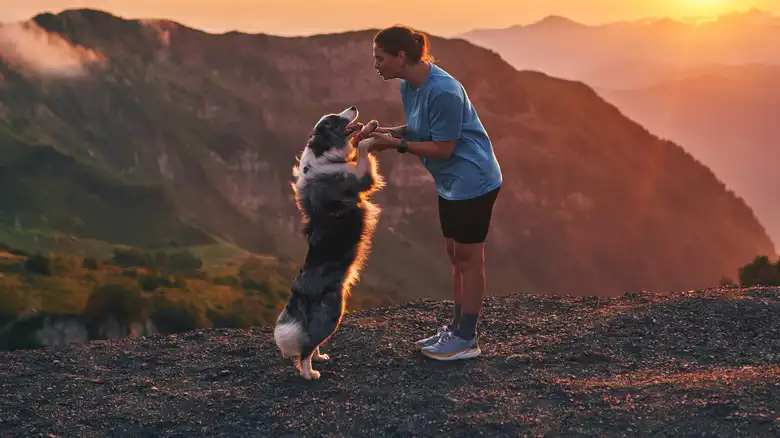
DogsDog BehaviorFunny Things Border Collies Do When There Aren't Sheep For Them To HerdByCynthia AnayaUpdated: April 30, 2025 9:40 am ESTEkaterina Goncharova/Getty ImagesOriginally bred to herd sheep, border collies love running around and staying busy. Potentially unlike their humans, they love having work to do and can become bored quickly without a "job." Many Americans who own sheepdogs don't have sheep or cattle, but that doesn't stop these high-energy canines from finding something else to stimulate their senses. Border-collie owners have shared video proof of this behavior on social media. Some collies try herding other animals, while others help out around the house.In one Instagram video, a collie named Bailey is shown following her feline sibling from room to room and sometimes just staring at it, as if desperately waiting for something exciting to happen. The cat appears completely oblivious to the stalking. On TikTok, another collie owner shared her experience of slaking her dog's boredom by giving him chores. The collie, Fable, is seen putting paper in a bin, putting shoes away, and even helping with laundry in response to verbal commands.If you're the proud parent of a border collie and don't always have time to give it sufficient daily exercise and mental stimulation, you can give it a job around the house, too. In fact, there are entire discussion boards dedicated to jobs that can be given to this active dog breed. By the way, collies are also among the smartest dog breeds in the world, hence their need for regular physical and mental stimulation.Jobs you can give a border collieMoniqueVV/ShutterstockOn an online forum dedicated to border collies called BC Boards, dog owners have provided job suggestions for collies based on their own experiences with the breed. One owner said their dog, Asa, enjoys putting their son to bed and waking him up in the morning by licking his face. Another collie, Duncan, knows how to put his toys away in his toy box.Other collies spend their free time helping around the house with various tasks, just like Fable. Poke, for example, "feels his job title is my personal assistant," his owner said. This user said the dog opens doors, retrieves items, and takes clothes from the hamper to the washing machine. Another said that their dog, Fergie, is trained to bring the newspaper inside after their morning walks. Now,that is fergalicious.The topic of jobs for border collies surfaced on Reddit as well. One owner said, "[My dog enjoys] herding me when we round around the yard." Others said their collie herds the cats, puts toys away, and guards their yard chickens. Needless to say, there are plenty of ways to keep a border collie busy even if you don't have large farm animals. Plus, when you consider the long list of things this breed can do, you'll find that border collies are among the best herding dogs for families.
How To Stop Your Dog From Urinating On Concrete
Jane Williams

Vet Reveals The Truth About Foster Puppy & Everyone Learns What He Really Is
John Brown

Rescue Dog Grieving The Loss Of Her Puppies Finds Happiness With New Best Friend
Jennifer Davis
Dogs Hit 'Old Age' When They Reach One Big Milestone
Jane Brown

Can Your Dog Actually Get Sunburned? Details To Know
John Jones
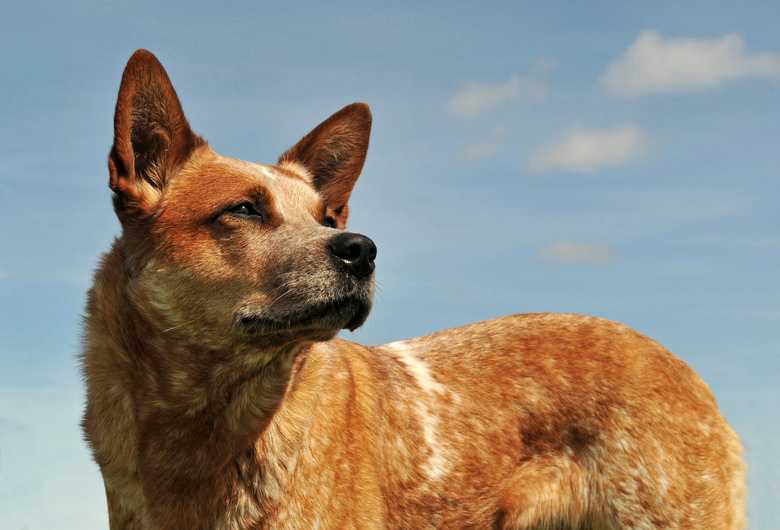
How To Train A Red Heeler
Jane Miller
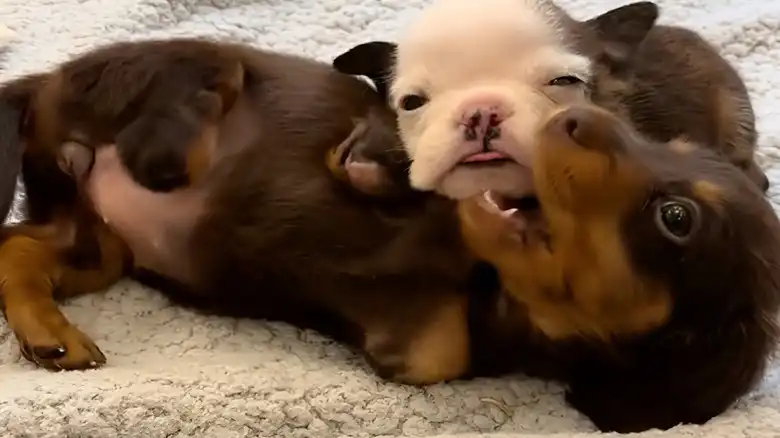
This Sweet Friendship Between 2 Puppies With Disabilities Is Stealing Hearts Left And Right
Sarah Davis
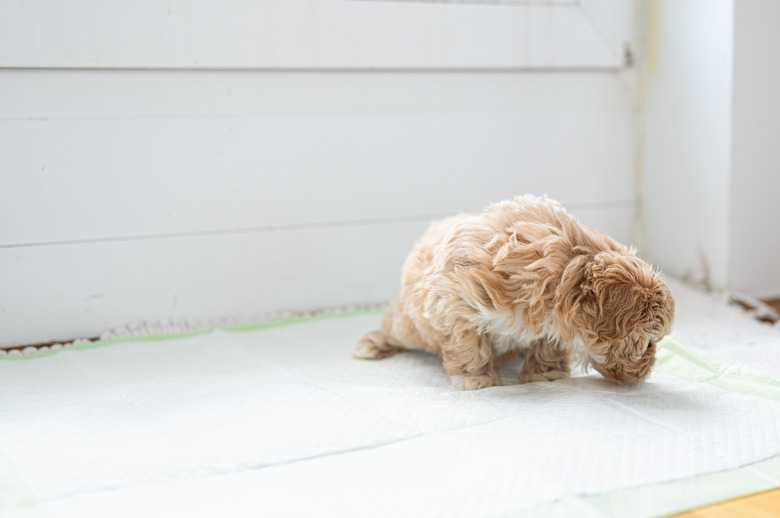
How To Train Your Puppy To Use A Toilet
Sarah Brown

How To Encourage A Mother Dog To Feed Her Puppies
John Smith
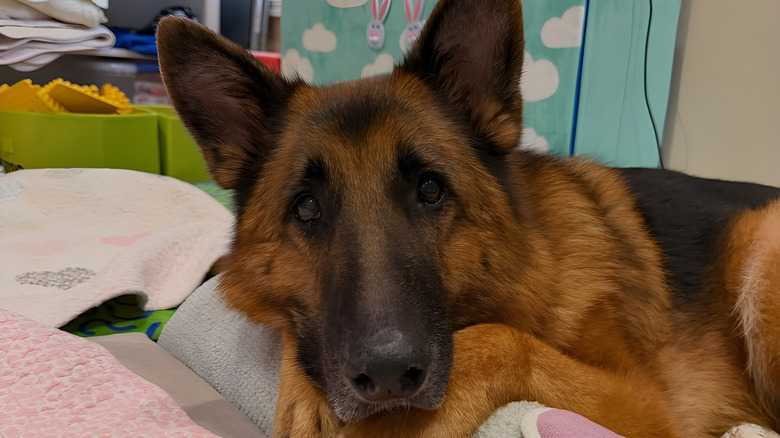
Senior German Shepherd With The Biggest Heart Loves Being Grandma's Little Helper
Emily Miller
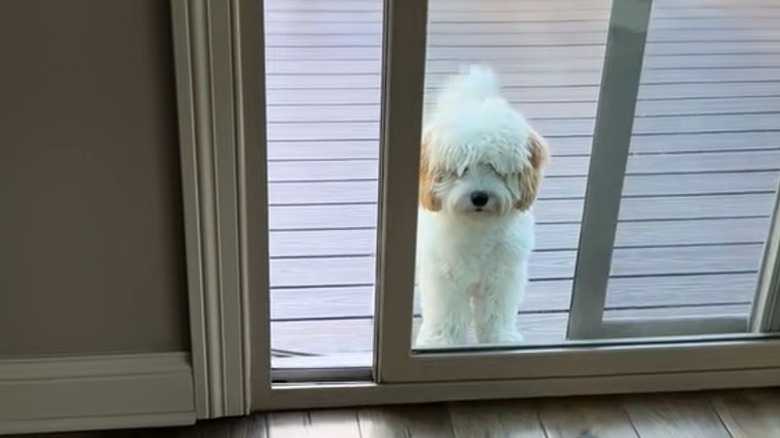
Cavachon Can't Figure Out How To Use The Door And It's Laugh-Out-Loud Hilarious
David Williams
How To Make A Clicker For Dog Training
Sarah Johnson
Latest Articles
How To Keep Male Dogs From Peeing On Furniture
Michael Johnson
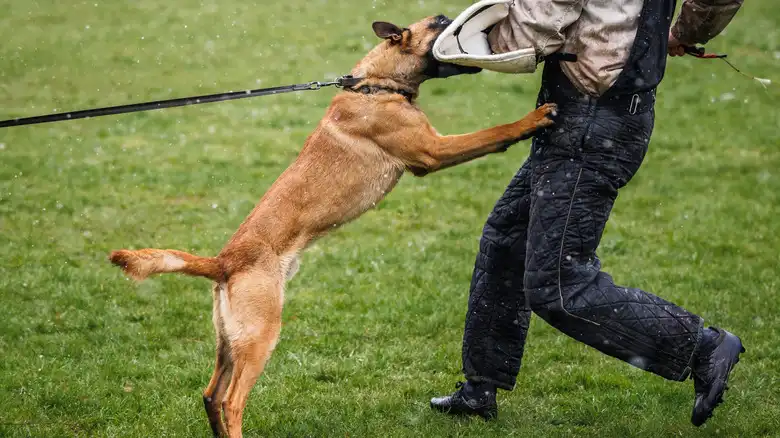
What Happens To Police Dogs That Bite Someone They're Not Supposed To? It's Complicated
Sarah Davis
How To Train Your Dog To Sleep In Another Room
John Jones
Miniature Schnauzer Shows Off Impressive Piano Skills And It's Music To Our Ears
Jane Davis
How To Build A Backyard Dog Potty Area
Jennifer Smith

How To Feed A Small Dog With No Teeth
Sarah Smith
Why Do Dogs Freak Out When You Take Off Their Collar?
Emily Johnson
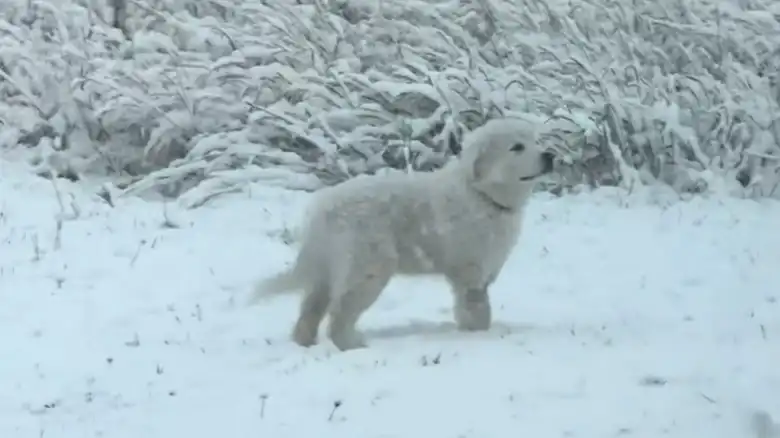
Great Pyrenees Puppy Experiencing First Snowfall Is Giving People The Feels
Robert Miller
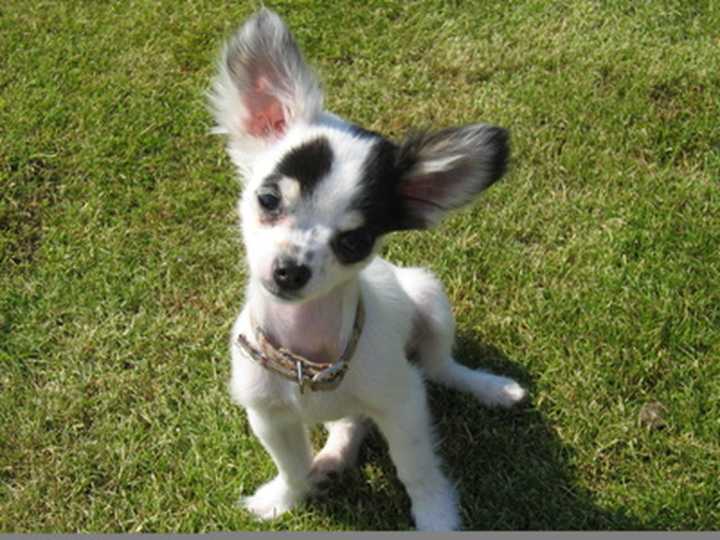
How To Train A Chihuahua Terrier
Sarah Johnson
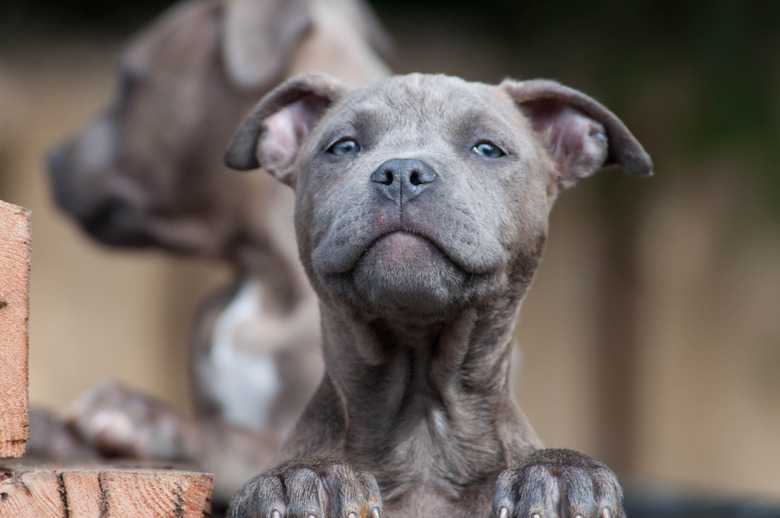
How To Potty Train Pit Bull Puppies
Jennifer Brown